Effects Of Tinker V Des Moines
Des Moines is considered a landmark case because it has historical and legal significance that has lasting effects and deals with individual rights and civil liberties. Because of the Tinker ruling students have been free to wear dyed hair and nose rings in public schools.
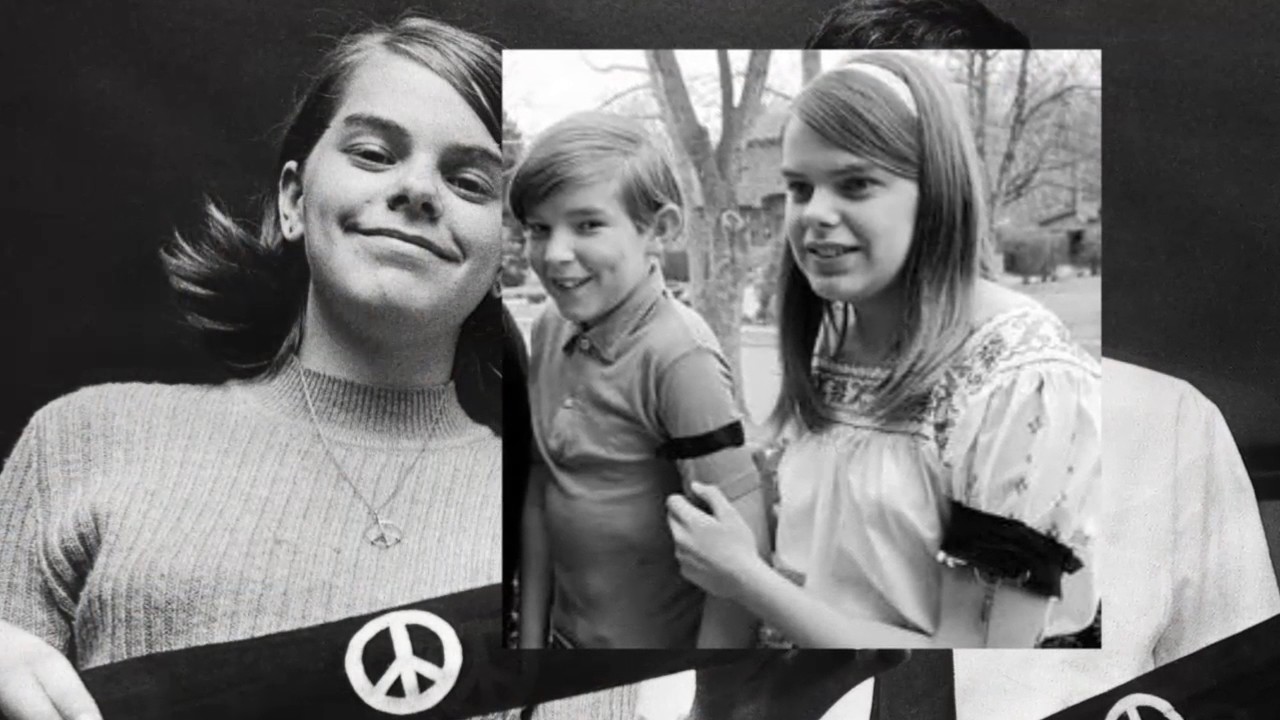
Tinker V Des Moines Protecting Student Free Speech National Constitution Center
The students returned after the Christmas break without armbands but in protest they wore black clothing for the remainder of the school year and filed a First Amendment lawsuit.
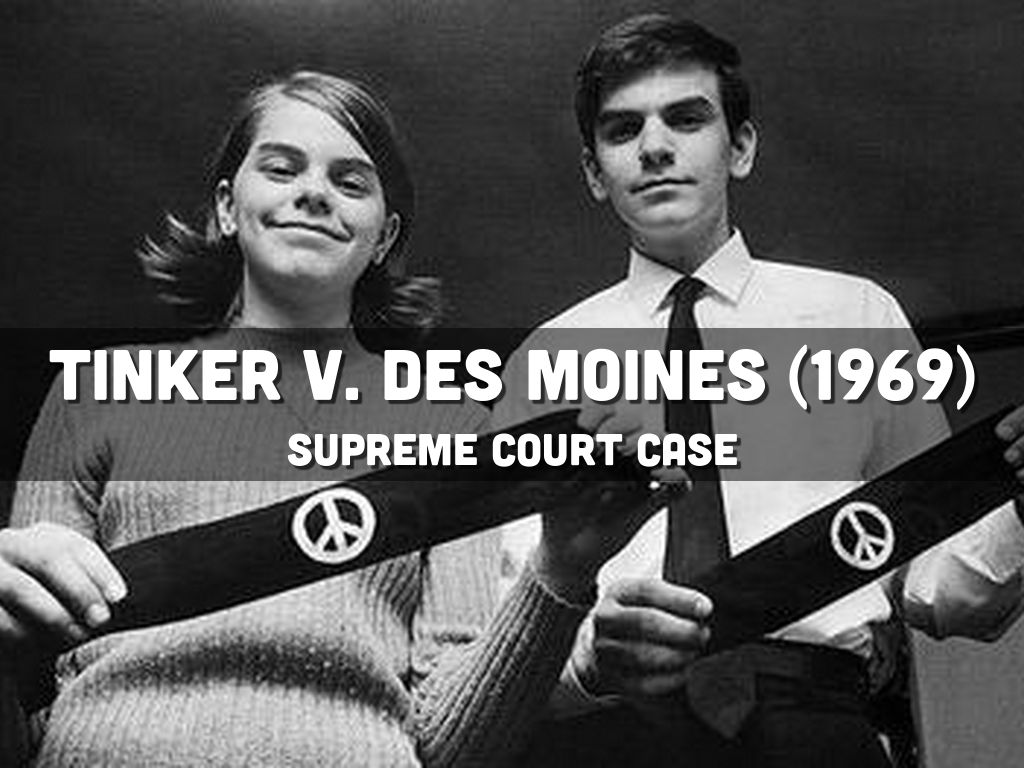
Effects of tinker v des moines. Des Moines It can hardly be argued that either students or teachers shed their constitutional rights to freedom of speech or expression at the schoolhouse gate. Des Moines United States Supreme Court 1969 Case summary for Tinker v. Following is the case brief for Tinker v.
Petitioners three public school pupils in Des Moines Iowa were suspended from school for wearing black armbands to protest the Governments policy in Vietnam. DES MOINES SCHOOL DIST 393 US. This is an analytical essay in which the author delves into the Tinker v.
Des Moines School District decision in 1969 the Court has greatly expanded the types of student speech that are constitutionally protected. Des Moines Independent Community School District formed the baseline by which the majority of K-12 public student free-expression cases are examined. JUSTICE FORTAS delivered the opinion of the Court.
February 24 1969 Background At a public school in Des Moines Iowa students planned to wear black armbands at school as a silent protest against the Vietnam War. Des Moines Independent Community School District 393 US. Des Moines Group Opinion Background InfoCase Facts Majority of public favored leaving Vietnam December 1965 Group of high school students--black armbands to protest Vietnam War Principals created a policy prohibiting armbands at school after hearing about the plans Our.
Des Moines Independent School District had a major impact on many lower court rulings concerning the rights of teens to free speech and self-expression. Argued November 12 1968. While the Tinker ruling has had some positive effects on free expression in high.
The case led schools to have to find a balance between supporting students rights to free speech and due process. This is because the students were wearing black armbands to protest against the American involvement in the Vietnam War. Before 1969 and Tinker v.
- Supreme Court majority opinion February 24 1969 Presented by Joan Cansdale March 20 2010 2. - Mary Beth Tinker I think the Tinker decision had a monumental impact on student rights and the operation of public schools. Tinker 15 years old and petitioner Christopher Eckhardt 16 years old attended high schools in Des Moines Iowa.
Des Moines 1969 State the issue before the Supreme Court in this case. This was also an argument about symbolic speech. Des Moines School District decision students had.
Supreme Court issued its Tinker v. Their parents challenged the suspension alleging their childrens First Amendment rights were violated. The decision firmly established that public school students possess First Amendments rights.
In fact since the US. Des Moines - Landmark Supreme Court Ruling on Behalf of Student Expression. According to The New York Times Tinker v.
What was the effect on free speech of the Supreme Court case of Tinker v Des Moines. Des Moines is a historic Supreme Court ruling from 1969 that cemented students rights to free speech in public schools. Supreme Court Justice Abe Fortas in the 1969 landmark decision Tinker v.
Students were suspended for wearing black arm bands in protest of the Vietnam War. Des Moines School District. The Supreme Court case Tinker vs De Moines revolved mainly around the First Amendment and freedom of expression.
Another landmark Supreme Court case that had a profound effect on our society today was Tinker v. Des Moines forever changed the. Teachers and the administrators asked the Tinkers to remove their.
The Tinker test also known as the substantial disruption test is still used by courts today to determine whether a schools interest to prevent disruption infringes upon students First Amendment rights. Des Moines is a historic Supreme Court ruling from 1969 that cemented students rights to free speech in public schools. The Courts holding in this case ushers in what I deem to be an entirely new era in which the power to control pupils by the elected officials of state supported public schools in the United States is in ultimate effect transferred to the Supreme Court1 The Court brought this particular case here on a petition for certiorari urging that the First and Fourteenth Amendments protect the right of school.
503 1969 Argued November 12 1968. 503 was a landmark decision by the United States Supreme Court that defined First Amendment rights of students in US. The so-called Tinker Test established 50 years ago when the United States Supreme Court ruled in Tinker v.
503 1969 Tinker v. These words written by US. When the principal became aware of the plan he warned the students that they would be suspended if they wore the armbands to school because the protest might cause a disruption in the learning environment.
Decided February 24 1969. DesMoines - Student Free Speech 1. In 1965 John Tinker Mary Beth and a friend were sent home from school for wearing black armbands to protest the Vietnam War.
Petitioner Mary Beth Tinker Johns sister. John Mary Beth Tinker wore black armbands to their school as a way to protest the American involvement in the Vietnam War. The Courts decision furnished legal justification for a broad range of subsequent protests in high schools and colleges and helped to give voice to student opinions concerns and thoughts.
503 1969 the Supreme Court ruled that public school officials cannot censor student expression unless they can reasonably forecast that the speech will substantially disrupt school activities or invade the rights of others. The public school in Iowa violated the Constitution by not allowing the students to express their views on the war. Decided February 24 1969.
In the 50 years since the Supreme Court recognized that students have freedom of speech and other constitutional rights in public schools much has. In a 7-2 decision the Supreme Courts majority ruled that neither students nor teachers shed their constitutional rights to freedom of speech or expression at the schoolhouse gate. Through the Writ of Ceritori the Supreme court chose to listen to this case because it dealt with a students first amendment rights in a school environment.
The author goes into detail about both the First and Fourteenth Amendments and how the case affected the rights of students. Mary Beth Tinker was a 13-year-old junior high school student in December 1965 when she and a group of students decided to wear black armbands to school to protest the war in Vietnam. Des Moines Independent Community School District.
Des Moines Independent Community School District 393 US.
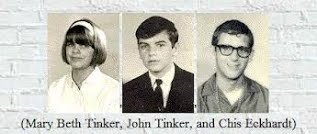
Tinker V Des Moines Sutori
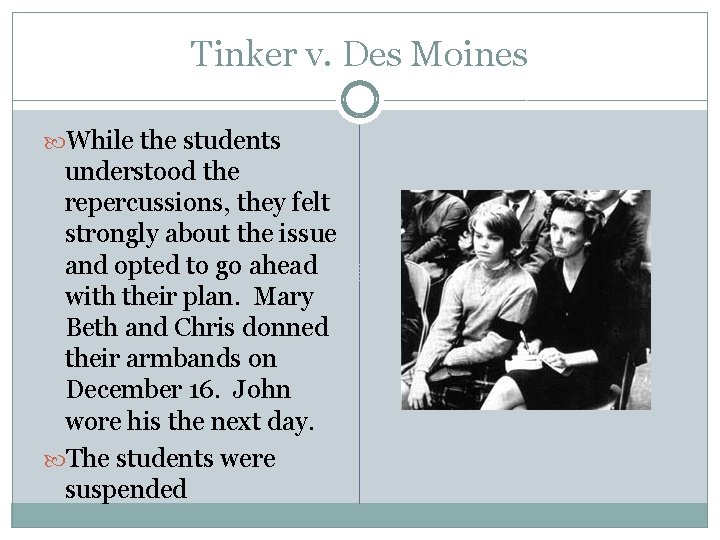
Silencing Student Voices Press Speech And Petition Issues


Comments
Post a Comment